



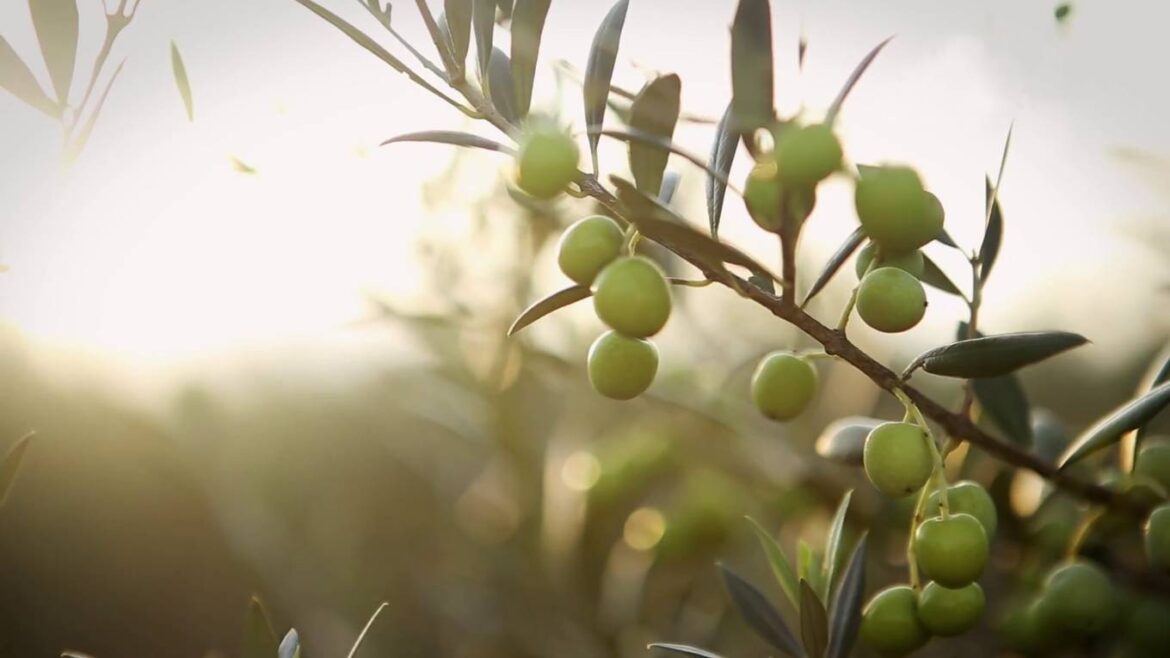
Every branch you cut influences how your olive tree will grow and the harvest it can produce. Good pruning lets light in, renews exhausted wood and makes harvesting easier. And it starts well before you switch on the chainsaw.
At Son Mesquidassa, we specialise in growing olive trees and producing olive oil in Mallorca. In this guide, we explain how to prune an olive tree with care and purpose, whether you look after a few trees for your own oil or manage a working olive grove.
We grow more than 150,000 olive trees across almost 100 hectares in Felanitx. Behind this is the experience of three generations of the Rosselló family, whose roots lie in olives and the Mallorcan countryside. We know the entire journey: the tree, the harvest, the olive mill and the storage of the oil.
Here, we share the principles that matter when pruning: when to act, which branches to remove and which to leave working towards the next harvest.
Before you begin: every olive grove needs its own approach to pruning
A traditional rainfed olive tree, a young tree and a hedgerow planting have different needs. Decisions also depend on the variety, soil, available water and harvesting method.
On our estate, we grow olives in hedgerows. In this guide, we distinguish this system from the management of open-vase olive trees, which are common on many Mallorcan farms.
The aim is to maintain a healthy, well-lit and productive canopy, at a size that allows you to manage and harvest the tree effectively.
The 7 steps to pruning an olive tree
- Assess the tree and decide what type of pruning it needs.
- Choose the right time in Mallorca.
- Prepare your tools and learn where to cut.
- Remove dead wood and unwanted shoots.
- Thin the canopy and retain productive branches.
- Control the tree’s size and renew it gradually.
- Manage the prunings and monitor the tree’s response.
1. Assess the tree and decide what type of pruning it needs
Before making any cuts, walk all the way around the olive tree. Look at where the foliage is concentrated, which areas are shaded and whether any branches are dead, damaged or too high.
Also consider the last harvest and the growth of new shoots. A tree recovering from a heavy crop or a drought needs particular care.
These are the three main types of pruning:
| Condition of the olive tree | Type of pruning | What we want to achieve |
|---|---|---|
| Young and developing | Training | Build a structure suited to the growing system and future harvesting, using light pruning. |
| Mature and productive | Maintenance or production | Balance vegetative growth, light penetration and fruiting wood. |
| With exhausted or deteriorating branches | Renewal | Gradually replace parts that have lost their productive capacity. |
On young olive trees, retain enough foliage to support growth. Develop the structure gradually and avoid heavy pruning to impose a shape too early.
On a mature olive tree, focus on maintaining balance. Age alone does not justify renewal pruning: what matters is the actual condition of its branches.
2. Choose the right time in Mallorca
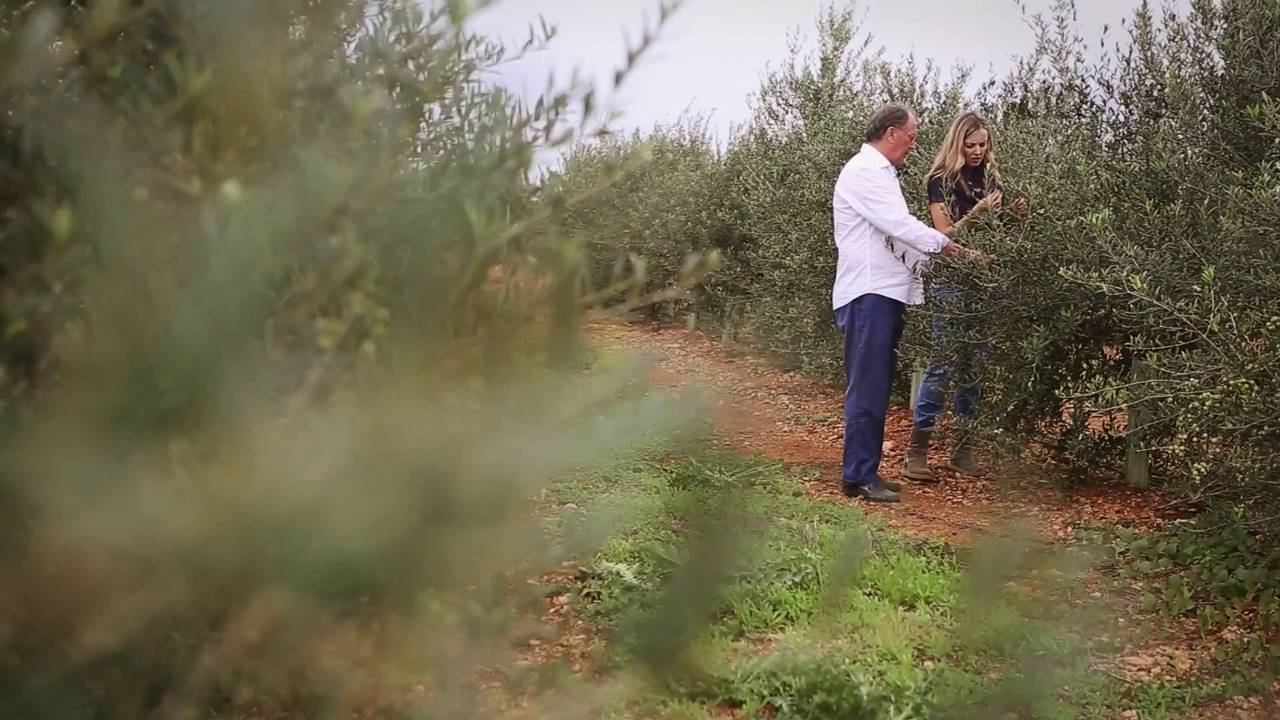
Main pruning usually takes place after the harvest, during the winter period of reduced growth. In areas at risk of frost, it is best to wait until the coldest weather has passed, while aiming to finish before vigorous spring growth begins.
In Mallorca, an inland farm where cold air collects may need a different schedule from a milder coastal plot. Consider the conditions on your land and check the weather forecast.
When choosing the day:
- Avoid frost, rainy days and wet branches.
- Reserve major cuts for favourable conditions and trees capable of recovering well.
- If the olive tree is weakened, investigate the cause before considering heavy pruning.
Moisture encourages the spread of diseases such as olive knot, which can enter the tree through wounds.
Removing suckers from the base of the tree may require an extra visit outside the main pruning period. This targeted clean-up serves a different purpose from pruning the canopy.
3. Prepare your tools and learn where to cut
Choose your tool according to the thickness and position of the branch:
- Secateurs: for shoots and thin branches, staying within their cutting capacity.
- Pruning saw: for branches that secateurs can no longer cut cleanly.
- Pole pruner: for reaching certain branches from the ground.
- Chainsaw: for thick wood, with appropriate training and protective equipment.
Work with sharp, clean tools. Disinfect them between trees and after cutting diseased material; if olive knot is present, also disinfect them between affected branches. Prune healthy trees first.
Wear gloves, eye protection and sturdy footwear. When using powered tools, add the protective equipment specified for the machine. Avoid using a chainsaw while standing on a ladder.
How to make a clean pruning cut
When removing a branch, cut close to its point of attachment, preserving the branch collar, the slight swelling at its base. Avoid damaging the trunk wood or leaving long stubs unless they serve a specific renewal purpose.
If the branch is heavy, remove weight from its outer end first. An initial cut underneath, followed by a cut from above slightly further out, helps detach it without tearing a strip of bark. Then make the final cut at the intended point.
To shorten a branch, find a well-positioned lateral branch that can take over its growth. Avoid leaving a bare stick by cutting at an arbitrary height.
Renewal cuts serve a different purpose and should be positioned with future replacement growth in mind. If large main limbs need to be removed, plan the work with an experienced pruner.
4. Remove dead wood and unwanted shoots
Start with the obvious: dead, broken or clearly damaged branches. Then check the suckers at the base and the vigorous shoots crowding the tree’s structure.
Water shoots tend to grow vigorously and vertically. Remove those that compete with your chosen branches or crowd the canopy, but consider their position before removing them all: one may be useful as a replacement for an ageing branch.
Also check for branches that cross and rub against each other. When two occupy the same space, keep the better-positioned one with greater potential.
If you see swellings or wart-like growths that could indicate olive knot, take extra care with hygiene and separate the affected prunings. If branches are drying out for no clear reason, seek a diagnosis before continuing to cut.
Once this initial clean-up is complete, step back and look at the tree again. It may need considerably less work than you first thought.
5. Thin the canopy and retain productive branches
Thinning means removing selected branches so that the remaining foliage has access to light and space. Work through the canopy in sections, checking the effect of each cut.
Olive trees bear fruit mainly on shoots that grew the previous year. If you remove too much young growth, you will also be removing part of the next harvest.
Keep healthy, well-positioned shoots that receive enough light. Reduce crossing branches, overlapping growth and excessively vigorous branches that shade the others.
On open-vase olive trees, retain some less vigorous growth inside the canopy to contribute to production and protect the main limbs from the sun. Completely clearing the centre exposes the wood and can encourage sunburn and excessive water-shoot growth.
What to do with low branches
Remove branches that touch the ground or obstruct maintenance and harvesting. Keep productive low branches that have enough space and light.
Ground clearance should suit the harvesting system. A farm using a trunk shaker with a catching umbrella needs different access from one using hand tools.
What if you grow olive trees in hedgerows?
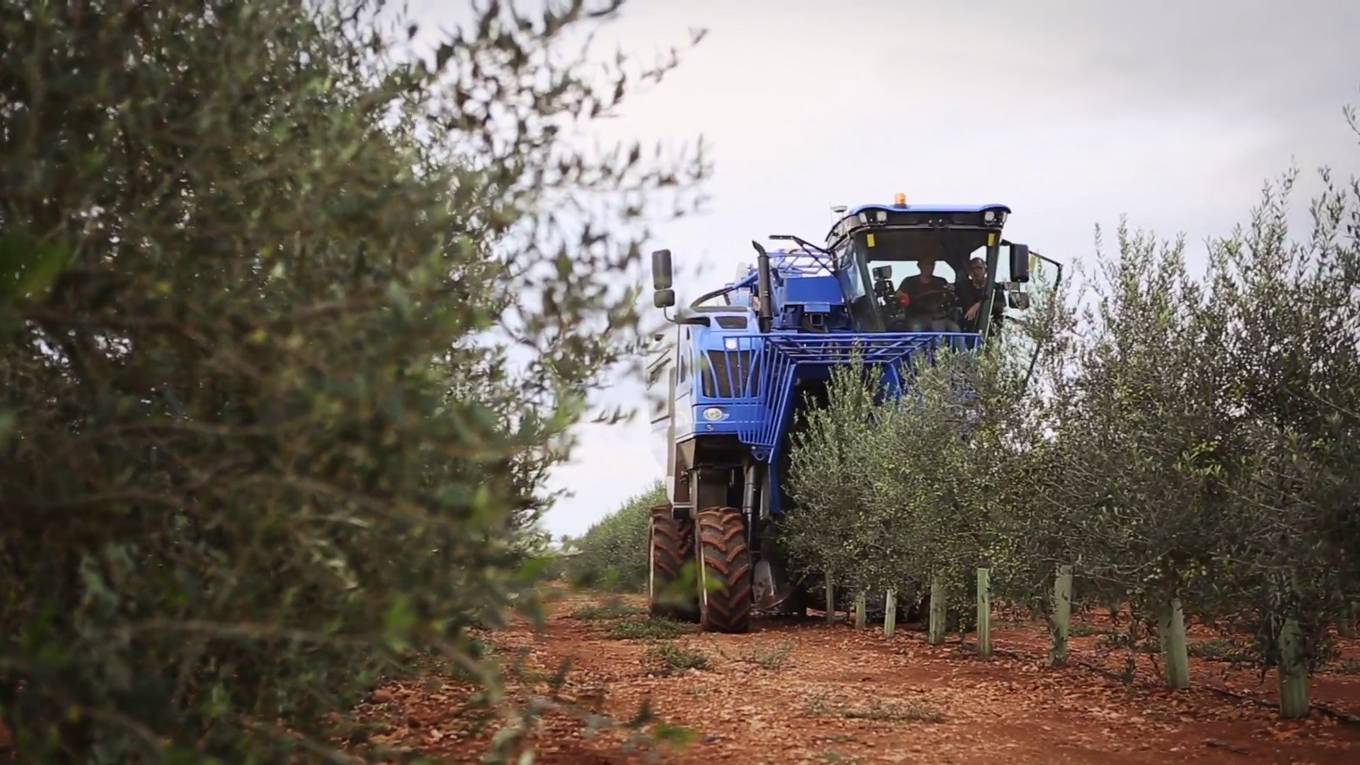
In a hedgerow system, like the one we use at Son Mesquidassa, height, width and the build-up of wood must be controlled so the harvester can pass through and the productive foliage receives enough light.
Pruning is adapted to the machinery and the vigour of the planting. Applying an open-vase shape to a hedgerow would disrupt the growing system.
6. Control the tree’s size and renew it gradually
Keep the canopy in proportion to the available space, soil and water. In Mallorca’s rainfed groves, the land’s capacity to support the tree deserves as much attention as the shape of its branches.
If the olive tree has grown too tall, reduce its height gradually by cutting back to suitable lateral branches. Avoid topping the entire canopy in one go.
When a branch is exhausted and produces very little useful new growth, plan its renewal:
- Identify the branch that needs replacing.
- Retain or encourage well-positioned shoots that can take its place.
- Make the planned cut and select new growth as it develops.
- Wait until the replacement is sufficiently developed before renewing another major limb.
A recovery marked by abundant leaves and strong shoots still needs time to become productive. This is why it is best to spread renewal over several seasons and keep part of the canopy working.
Take alternate bearing into account
Alternate bearing is the pattern of heavy crops followed by light ones. A heavy fruit load can limit the growth of the shoots that will produce the following year.
Pruning helps regulate this balance, alongside water, nutrition and other management practices. After a heavy harvest, proceed carefully to preserve the available growth. Always adjust pruning intensity to the tree’s vigour and expected crop.
7. Manage the prunings and monitor the tree’s response
Pruning is not finished until the prunings have been dealt with.
If the wood is healthy and this use is appropriate for your plot, you can shred it and spread it as mulch. This organic matter helps protect the soil and retain moisture. Keep the area immediately around the base of the trunk clear.
Avoid leaving unmanaged piles of branches beside the olive grove: they can encourage olive bark beetles. Prunings affected by pests or diseases require specific handling; consult the plant health authorities’ guidance before shredding and spreading them.
Afterwards, observe how the tree responds. A very strong flush of water shoots may indicate that pruning was excessive or that the tree’s balance needs correcting.
Record the date, approximate pruning intensity and branches renewed. Relating these decisions to subsequent growth and the next harvest will help you refine pruning on your farm.
Pruning mistakes to avoid
- Cutting out of habit: assess each tree before repeating last year’s pruning.
- Removing all the small interior branches: some contribute to production and protect the tree’s structure.
- Removing every water shoot: one may be the replacement you need.
- Trimming every branch tip: focus on the branches that genuinely need removing.
- Carrying out heavy renewal all at once: retain a functioning canopy while replacements develop.
- Putting a weak tree under further stress: first establish whether it lacks water or nutrients, or has a health problem.
And the easiest mistake to make: continuing to cut when the job is already done. Knowing when to stop is part of knowing how to prune.
Frequently asked questions about olive tree pruning
Do olive trees need pruning every year?
They should be checked every year. How often main pruning is needed depends on vigour, planting density, the growing system and the intensity of previous pruning. Some olive groves are pruned every two years; others need annual adjustments. Basal suckers and isolated damage may require attention between main pruning sessions.
What percentage of branches can I remove?
There is no single percentage that works for every tree. During maintenance pruning, remove what is needed to restore space and light while retaining enough foliage and productive wood. If you need to remove a large part of the canopy, you are considering renewal work that should be planned carefully.
Should I apply pruning wound sealant to every cut?
Its use should be assessed according to the size and position of the cut and the disease risk. The priority is to make correct cuts and avoid unnecessary wounds. A sealant does not replace tool disinfection or cure a disease affecting the tree.
Can I prune a very old olive tree to make it productive again?
An old olive tree may still be capable of producing fruit. Check the health of the trunk, main limbs and roots, and consider gradual renewal where necessary. If the tree is badly deteriorated, arrange an on-site assessment before making major cuts.
From your olive trees to your own oil: bring your harvest to our mill
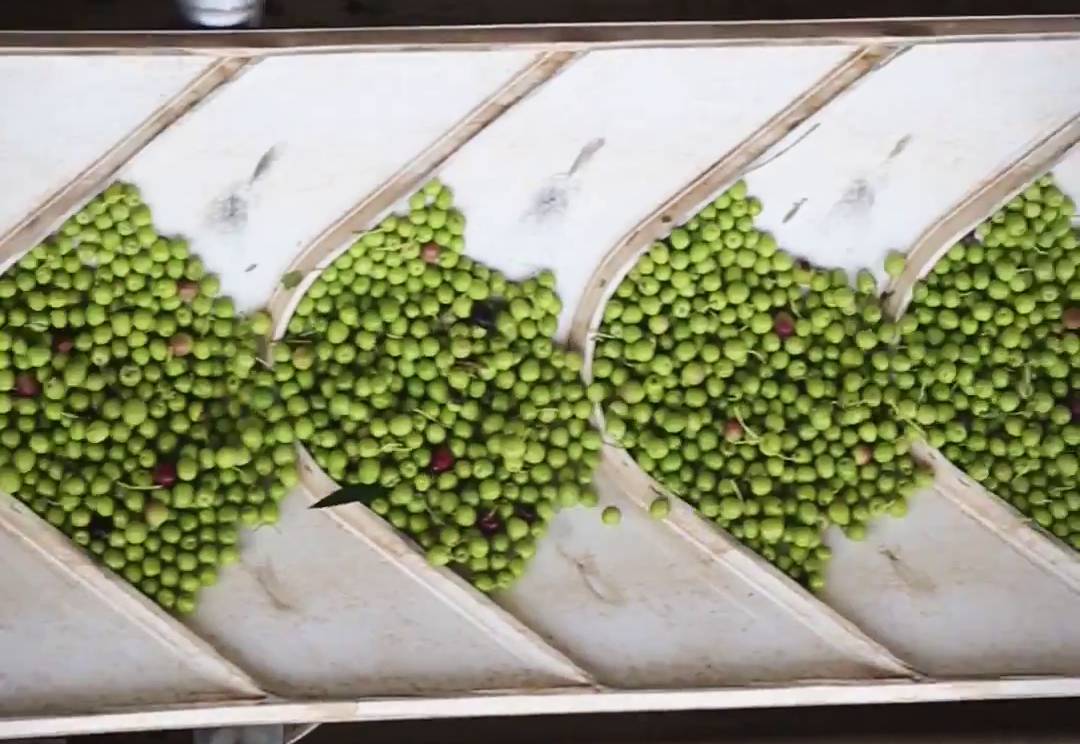
At Son Mesquidassa, we work to ensure that care for the olive grove continues after harvesting. If you have olive trees in Mallorca, you can bring your olives to our olive mill, known locally as a tafona, in Felanitx.
To ensure your olives arrive in good condition, arrange delivery before you start harvesting:
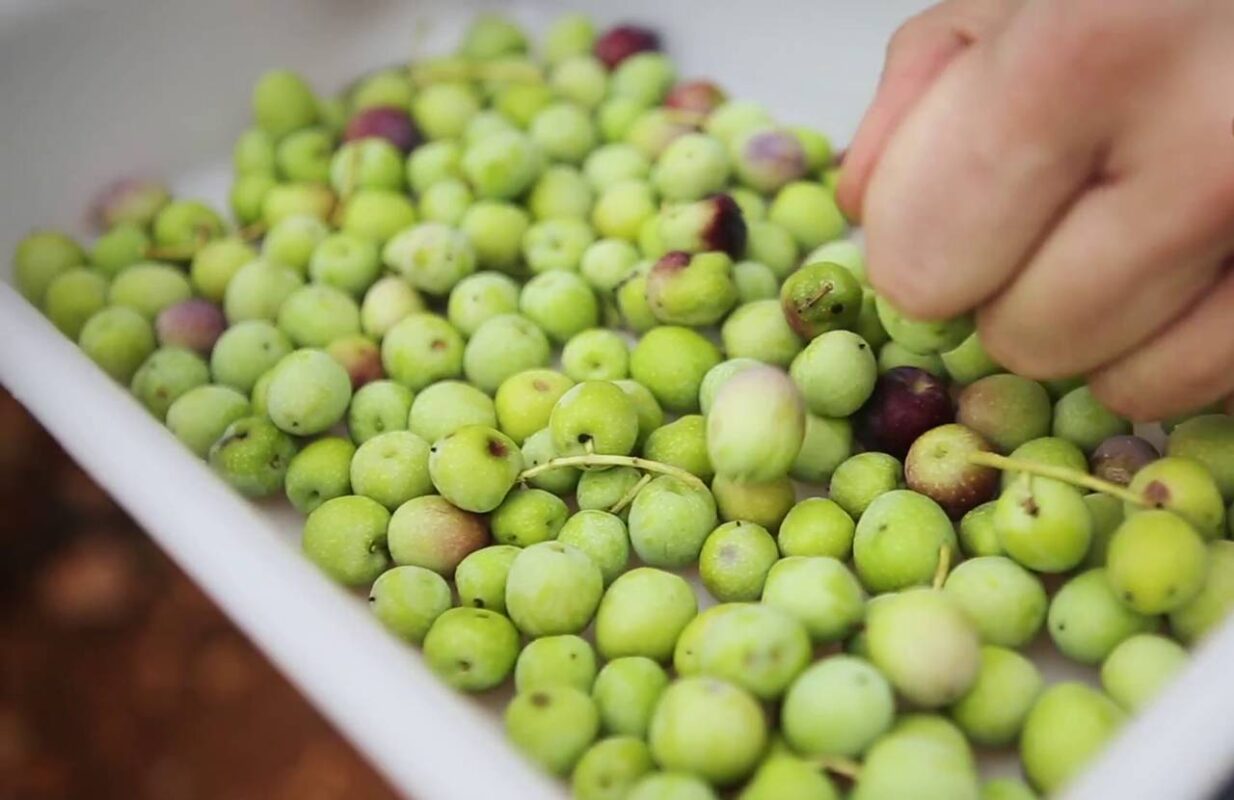
- Keep healthy olives picked from the tree separate from fallen or damaged fruit.
- Use clean, ventilated crates or containers and avoid crushing the olives.
- Keep the fruit in the shade and minimise the time before milling, aiming to deliver it on the day it is harvested.
You can learn more about how the technology at our olive mill helps preserve oil quality.
You decide how to take home and store your oil
Once your oil has been made, you have several options:
- Take it home: in food-grade plastic containers or suitable tanks, always clean and ready for storing oil.
- Store it in our cellar: in stainless steel tanks, under an inert atmosphere and at a controlled temperature to protect its qualities. This is how we care for the oil after extraction.
- Use our bottling line: ask about the options for bottling your oil at our facilities.
If you store it at home, keep it tightly sealed, away from light and heat, in food-safe containers.
Contact Son Mesquidassa to arrange delivery of your olives and ask about milling, storage and bottling arrangements. Tell us how many kilos you expect to harvest and when, so we can coordinate the next step.
Telephone: 971 064 935
Email: info@sonmesquidassa.com
Son Mesquida, Felanitx, Mallorca.
You can also discover Son Mesquidassa in this video.
You care for your olive trees. At Son Mesquidassa, we work with you to care for what comes next.