




“Balsamic vinegar.”
Two words that can mean very different things on a label.
A condiment that has spent twelve years in barrels. A vinegar from Modena that has rested two months in wood. A thick glaze for decorating plates.
They’re all called balsamic.
No wonder it’s confusing.
If you’re just starting out, here’s what you need to choose one and use it well.
No fuss.
- What balsamic vinegar is
- The three protected balsamics (and everything else)
- What’s inside the bottle
- How to read the label in 30 seconds
- How to start using it
- Three beginner mistakes
- Son Mesquidassa balsamic vinegar
- Frequently asked questions about balsamic vinegar
- Before you dress anything
What balsamic vinegar is
Balsamic vinegar is a condiment made from cooked grape must and aged in wood. It’s sweet and sour, thicker and less sharp than wine vinegar.
It was born in Modena and Reggio Emilia, in Italy.
Careful.
But the word “balsamic” on its own isn’t protected.
Three specific names are.
The three protected balsamics (and everything else)
| Type | Ingredients | Minimum ageing | Use it for |
|---|---|---|---|
| Aceto Balsamico Tradizionale di Modena PDO | Cooked grape must only | 12 years (Affinato) or 25 (Extravecchio) | Drop by drop, on cheese, fruit or a finished dish |
| Aceto Balsamico Tradizionale di Reggio Emilia PDO | Cooked grape must | Long barrel ageing | As above |
| Aceto Balsamico di Modena PGI | Grape must and wine vinegar; optional caramel, up to 2% | 60 days in wood; 3 years if labelled “invecchiato” | Salads, vegetables, sauces and reductions |
| Creams and glazes | Vary by maker | No common minimum | Decorating and a sweet touch |
Traditional PDO balsamic is in a different league. Cooked must only, and at least twelve years in barrels.
PGI balsamic is the everyday one. Must and wine vinegar that rest for at least 60 days in wood (Consorzio Aceto Balsamico di Modena).
Creams and glazes usually contain balsamic as an ingredient, with added sugars or thickeners.
None of them is worse.
They’re different things.
What’s inside the bottle
Cooked must
Grape juice heated to concentrate it. It brings the sweetness and body.
Wine vinegar
It brings the acidity. In PGI balsamic it’s blended with the must. In traditional PDO it isn’t added.
The wood
This is where balsamic gains aroma and becomes denser.
More time, more concentration.
How to read the label in 30 seconds
- Look for the designation: PDO or PGI, with the EU seal.
- Read the ingredients in order. The first one is the main one.
- Check for caramel. It’s allowed in PGI balsamic, up to 2%.
- If it says “cream”, “glaze” or “condiment”, it isn’t Aceto Balsamico di Modena.
- And check the price. A twelve-year PDO can’t cost the same as an everyday dressing.
How to start using it
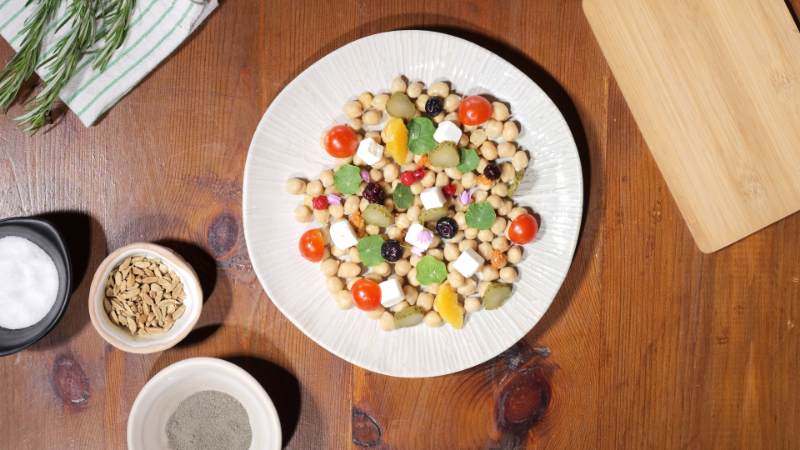
Raw, with olive oil
The classic vinaigrette, made with balsamic: one part vinegar to three parts oil, and a pinch of salt.
To finish a dish
A few drops on strawberries, aged cheese, tomatoes or roasted vegetables.
Reduced
Over a low heat, it thickens and concentrates.
Take your time. And keep an eye on it.
Three beginner mistakes
- Paying PDO prices for a condiment with no designation.
- Using a glaze as if it were vinegar: it sweetens more than you’d think.
- Adding so much that it drowns the oil. If you’re using a good extra virgin, let it come through.
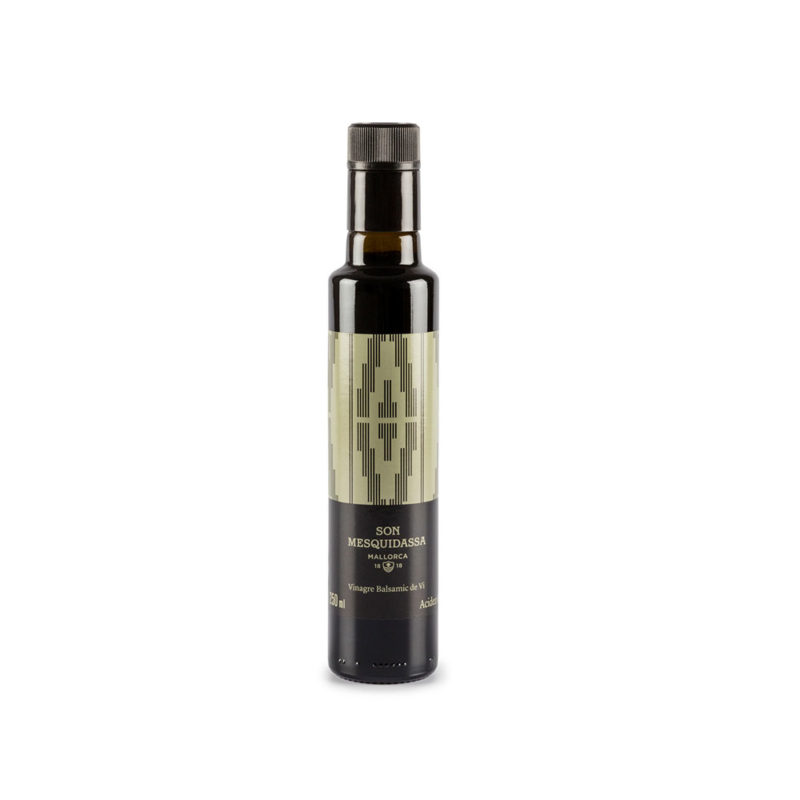
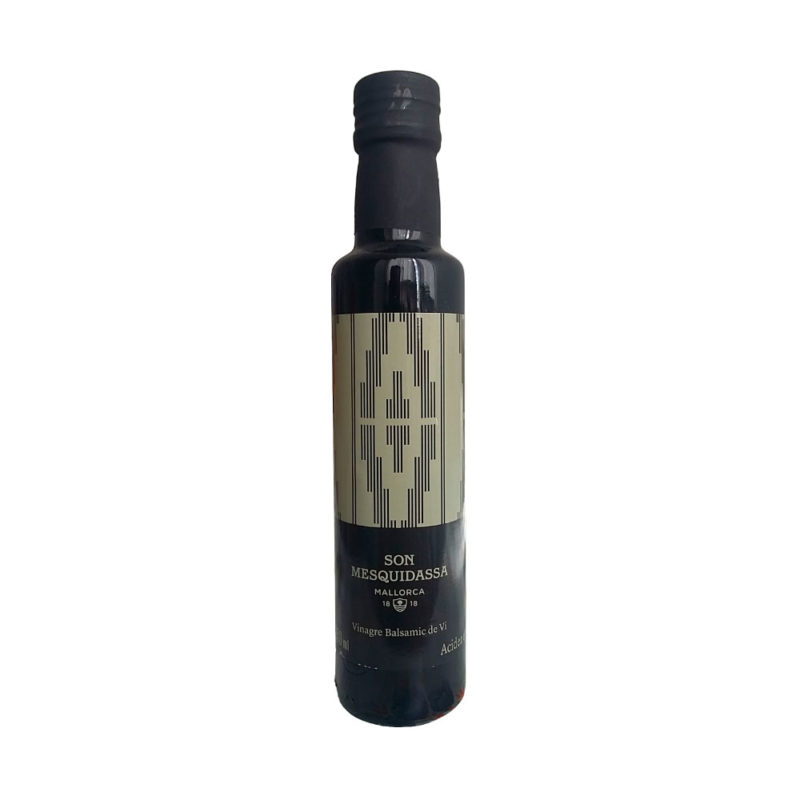
Son Mesquidassa balsamic vinegar
Our balsamic vinegar is sweet and sour, with a scent of old wood and fruity aromas.
A vinegar with character, made for everyday Mediterranean cooking.
It comes in 250 ml and 500 ml.
And if you’re pairing it with oil, here are the estate’s oils compared.
-

BALSAMIC VINEGAR 250 ML
3,00 € -
BALSAMIC VINEGAR 500 ML
4,20 €
Frequently asked questions about balsamic vinegar
What’s the difference between PDO and PGI balsamic?
Traditional PDO balsamic is made only from cooked grape must and aged for at least 12 years. PGI Balsamic Vinegar of Modena blends must and wine vinegar and rests at least 60 days in wood.
Is balsamic glaze the same as balsamic vinegar?
Not quite. It usually contains balsamic vinegar as an ingredient, plus sugars or thickeners. Check the label.
How should balsamic vinegar be stored?
Tightly closed, somewhere cool and away from light and heat.
What goes well with balsamic vinegar?
Extra virgin olive oil in salads, and a few drops on strawberries, aged cheese, tomatoes or roasted vegetables.
Before you dress anything
Taste the vinegar on its own, from a teaspoon.
Sounds silly.
It isn’t.
That way you’ll know how much you need. And how much you don’t.